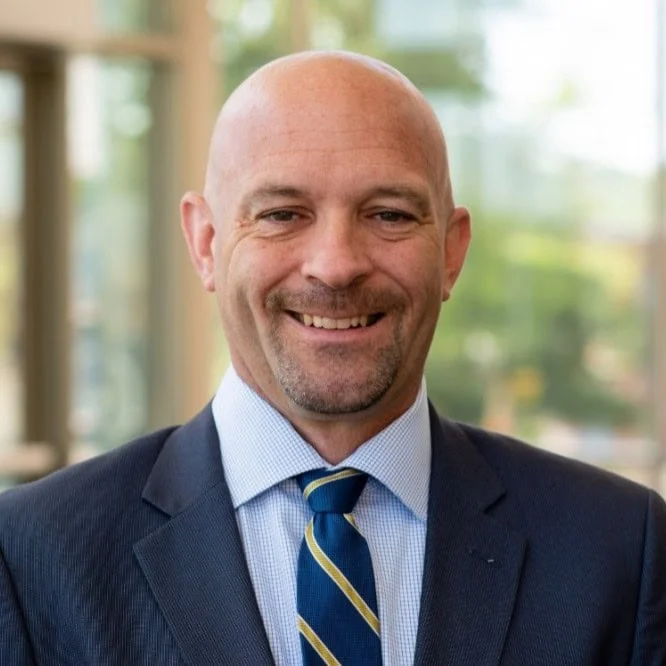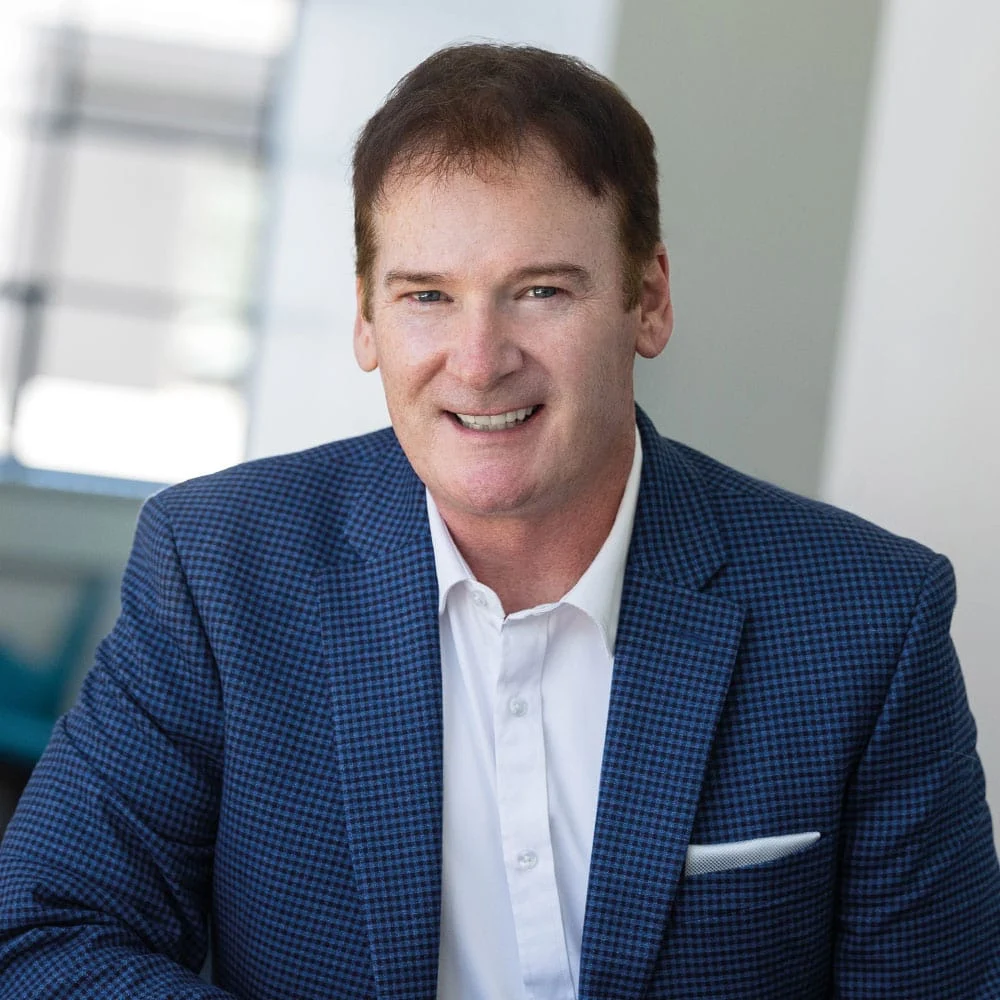

Steve Degnan’s consulting and keynote work operates on one principle: if a framework can’t be applied on Monday morning, it’s entertainment. Drawing on 20 years as CHRO of a $13 billion company, every engagement is designed to close the gap between what a leadership team says it values and how it actually behaves when pressure arrives.
Key Takeaways
- Every engagement starts with a diagnostic phase that surfaces the real problem, not the symptom an organization has been treating.
- The Promotable and Fireproof framework gives leaders a concrete model for building career durability and organizational indispensability at the same time.
- Keynote speaking and consulting are designed to connect: a keynote creates shared language, and consulting builds on it.
- Culture transformation at the organizational level realistically takes 12 to 24 months of deliberate, reinforced work.
- The costliest decision in most leadership situations isn’t the consulting fee. It’s the compounding dysfunction that accumulates while organizations wait for a better moment to act.
What does Steve Degnan actually do, and how is it different from standard leadership consulting?
Most leadership consultants arrive with a methodology shaped in one industry and applied everywhere. This work runs the opposite direction: start with what this specific organization actually needs, and build backward from there.
The work falls into two connected categories. The first is executive keynote speaking for leadership summits, annual conferences, and company-wide events. These aren’t motivational speeches with vague calls to action. They’re structured around specific leadership challenges and designed to leave attendees with a named framework they can begin applying immediately.
The second category is organizational consulting, which covers culture transformation, agile re-engineering, leadership team diagnostics, and high-potential leader development. Every engagement follows the same structure regardless of scope: diagnosis before prescription.
What makes this different is experience density. Two decades in the CHRO chair at a $13 billion company means Steve has encountered every version of the leadership problems your organization is facing, not in a case study, but in real time with real consequences attached. That’s not a credential for a resume. It’s a functional mechanism. When he identifies a root cause, it’s because he’s watched that exact pattern develop across multiple business cycles.
What does the engagement process look like from first conversation to delivery?
The first call is a scoping conversation, not a sales pitch. Its purpose is to understand what’s happening in the organization and whether the problem is one this work is built to address. If it isn’t a fit, that gets said plainly.
For consulting engagements, a diagnostic phase follows. This typically involves structured conversations with leadership team members, a review of existing culture or engagement data, and identification of the gap between where the organization is and where it needs to be. The diagnostic isn’t a formality. It is the work. Many organizations discover during this phase that the problem they named isn’t the problem they actually have.
Engagement design then follows the actual gap identified, not a pre-packaged program. The table below shows how the phases connect:
| Phase | Purpose | Typical Activities | Output |
| Scope | Confirm problem and fit | Initial leadership discussion | Defined starting question |
| Diagnose | Identify root causes | Interviews and data review | Diagnostic findings |
| Design | Build the engagement | Workshops and advisory planning | Customized roadmap |
| Deliver | Apply the work | Sessions, coaching, facilitation | Behavioral and operating changes |
| Reinforce | Sustain progress | Measurement and adjustment | Durable adoption |
For keynote engagements, the same scoping discipline applies: a conversation to understand the audience, the event context, and what the organization needs people to walk away thinking or doing differently. The keynote is built to that brief. You can review the full scope of available work at stevedegnan.com.
What is the Promotable and Fireproof framework, and why does it matter for organizations?
Promotable and Fireproof is a leadership durability framework that defines the specific behaviors, reputations, and contributions that make an individual both advancement-ready and organizationally indispensable.
Most leadership development programs focus on one side of this: how to get promoted. What they skip is the other half, which is how to build the kind of track record that makes someone the last person anyone wants to lose, regardless of what the org chart looks like after the next restructuring.
Here’s the contrarian reality worth stating directly. Leaders who focus exclusively on being promotable are often the most vulnerable when conditions change. Promotability is visible and legible to the organization, which means it’s also visible to the people deciding who gets cut when headcount tightens. Fireproofing is different. It’s about being embedded in the organization’s actual functioning, not just its hierarchy.
For organizations, this framework gives high-potential leaders a concrete model to work from and gives HR and executive teams a shared language for talent conversations. The leadership assessment shows where your leaders currently stand on the dimensions this framework measures. Steve is actively writing a book on this framework, which means the thinking is being refined continuously, not recycled from a decade-old model.
What are realistic outcomes, and what timelines should organizations expect?
Organizational culture doesn’t change in a quarter. Anyone who tells you otherwise is selling something that won’t hold.
What shifts faster is leadership team alignment. When a team goes through a structured diagnostic and facilitated sessions built around the actual gaps, research on organizational change consistently points to the same pattern: the biggest barriers to team effectiveness aren’t skill deficits, they’re unspoken disagreements about priorities and accountability. Naming those disagreements in a structured setting resolves them faster than any training program does.
For culture transformation at the organizational level, a realistic timeline is 12 to 24 months for meaningful, measurable shift. Scholars of organizational change, including work published by Kotter International on large-scale transformation, consistently support the view that culture change has three distinct phases: diagnostic and alignment work, behavioral embedding through reinforcement mechanisms rather than awareness programs, and measurement with adjustment. Skipping any phase is what causes efforts to stall.
Consider a typical scenario to make this concrete. A business unit of several thousand people goes through a leadership transition. The incoming leader inherits strong technical capability but low trust in senior decision-making. An illustrative engagement in this situation would start with the leadership team, build a shared model for how decisions get made and communicated, and then cascade that model through structured manager development. This kind of phased approach, starting at the top and reinforcing through the management layer, is the pattern that organizational development practitioners most consistently associate with durable results.
This connects directly to what actually works in leadership development at scale. Organizations that see lasting change start with honest diagnosis. They don’t start with optimistic programming.
One honest limitation belongs here. This approach doesn’t work when executive sponsorship is absent or performative. If the senior leader who commissioned the work isn’t personally modeling the behaviors being developed, the effort stalls at the manager level every time. That’s not a consulting failure. It’s the most reliable predictor of whether any culture work will hold.
How does a keynote connect to longer-term consulting work?
A keynote is a forcing function. It creates a shared reference point for an entire leadership population in a single session. The value isn’t only in the content. It’s in the fact that hundreds of people now hold the same framework at the same time.
Consulting work builds from that shared foundation. When a keynote introduces the Promotable and Fireproof framework to a leadership summit, follow-on consulting can go deeper with specific teams because the vocabulary is already in place. You’re not spending the first three sessions explaining concepts. You’re applying them.
A keynote without follow-through produces a spike in engagement that decays within weeks. Research on leadership development transfer, including findings from the Association for Talent Development, consistently shows that training without reinforcement and application loses most of its impact within 30 days. Consulting without a shared activation moment takes longer to gain traction. The combination is faster and more durable than either approach on its own.
The newsletter is a practical place to see how this thinking applies across different organizational contexts between formal engagements.
Acting now vs. waiting: what the decision actually costs
| Situation | Acting with Steve Degnan | Waiting, going alone, or using a generic provider |
| Leadership team alignment | Structured diagnostic surfaces real gaps within weeks; friction decreases within months | Unspoken disagreements compound and become embedded in culture |
| Culture transformation | Deliberate 12 to 24 month path with measurable milestones and executive alignment | Without a framework, cultural drift accelerates and change efforts stall at the manager level |
| High-potential leader development | The Promotable and Fireproof framework gives leaders and HR shared, actionable language | Generic programs teach promotion tactics without building organizational indispensability |
| Keynote impact | Frameworks land with specificity and shared vocabulary enables immediate follow-through | Motivational content feels strong in the room and loses its hold within weeks |
| Cost of the decision | Investment in structured, experienced guidance | The compounding cost of 12 to 24 months of avoidable dysfunction, attrition, and missed performance |
Who gets the most from this work, and when isn’t it the right fit?
This work is most effective when the executive team is genuinely ready to act on what the diagnostic surfaces. That means not just budget approval, but a senior leader who’s personally committed to the change and willing to model it first.
If your organization wants a vendor to validate decisions that have already been made, this isn’t the right fit. The diagnostic process surfaces things that are uncomfortable, and the value comes entirely from addressing them honestly. If the team isn’t prepared for that, the engagement won’t produce what you’re hoping for.
The organizations that get the most from this work are the ones that already know something is wrong and are ready to look at it directly. For those organizations, the biggest risk isn’t hiring the wrong consultant. It’s waiting until the dysfunction is visible enough to everyone that the cost of fixing it has already been compounding for two years.
You can explore current thinking on workplace trends shaping organizational performance to understand why the window for proactive action carries more weight than it did even a few years ago.
Frequently Asked Questions
How long does a typical consulting engagement last?
Engagements vary based on what the diagnostic surfaces. A focused leadership team alignment project might run three to six months. A broader culture transformation for a large business unit typically runs 12 to 18 months. The scoping conversation is where that gets defined, and it can’t be defined honestly before the diagnostic is complete.
Can Steve work with a single business unit, or does the whole organization need to be involved?
Business unit engagements are common and often the right starting point. Culture change frequently begins in one part of an organization and expands from there. The key is having executive sponsorship at the level above the business unit so the work isn’t running against organizational headwinds.
What makes Steve’s keynotes different from other leadership speakers?
The content comes from 32 years of operational experience, including 20 years as CHRO of a $13 billion company. The frameworks aren’t borrowed from research papers. They’re built from watching what actually works and what fails inside large, complex organizations across multiple business cycles. Attendees leave with something specific to apply, not just something that felt compelling in the room.
How does Steve handle situations where the leadership team is part of the problem?
That’s the most common situation. Most culture problems trace back to the leadership team at their root. The diagnostic process surfaces that without turning it into a blame exercise. The goal is to give the team a shared, honest picture of what’s happening and a structured path forward. Candor is one of the things Steve’s clients consistently identify as the reason the work actually moves.
Is the Promotable and Fireproof framework only for high-potential individual contributors?
No. The framework applies at every leadership level. For individual contributors, it’s about building career durability. For managers, it’s about developing teams that are both high-performing and resilient. For executive teams, it’s about creating organizational conditions where that kind of leadership can develop at scale. You can take the leadership assessment to see where you or your team currently stands.
What happens if the diagnostic reveals a problem bigger than the original engagement scope?
That conversation happens openly. The diagnostic might reveal that what looked like a leadership development problem is actually a structural accountability issue, or that the culture challenge is downstream of a compensation design flaw. When that happens, Steve will say so directly and help the organization think through what the right response actually is, even if that changes the scope of the engagement.
How does the research on leadership development effectiveness connect to how these engagements are structured?
The structure is built specifically around the failure modes that organizational development research consistently identifies. Programs that skip the diagnostic phase, lack executive sponsorship, or focus on awareness without behavioral reinforcement don’t produce durable results. Every structural choice in how these engagements run, from the required diagnostic to the emphasis on executive modeling to the reinforcement phase, is a direct response to those documented patterns.
If your organization is carrying a leadership or culture problem that’s been named but not solved, the right move is a direct conversation. Not a brochure. A scoping conversation to determine whether the issue is leadership capability, team alignment, or organizational structure. Start that conversation with Steve here.
About the Author: Steve Degnan is a keynote speaker and organizational consultant specializing in leadership effectiveness, culture transformation, and team resilience. With 32 years of experience including 20 years as CHRO of a $13 billion food and pet food company, he works with Fortune 500 companies, business units in transformation, and executive teams that need candid, experienced counsel connecting C-suite strategy to ground-floor execution. His current work includes the Promotable and Fireproof framework for building leadership durability at scale.