
According to a Pew Research Center survey, 52% of Americans are more concerned than excited about the growing role of artificial intelligence in daily life, and separate workforce data shows roughly 71% of US adults believe AI will lead to fewer jobs in the next 20 years.. If you’re planning a conference right now, that anxiety is sitting in every seat in your general session.
Your attendees aren’t just looking for another tech demo. They’re looking for someone to tell them the truth. So how can you create a different conference experience that will help attendees address the AI fears?
The Answer…
Industry conferences can address AI workforce anxiety by booking keynote speakers who lead with human-centered frameworks rather than technology hype. Memorable conference sessions teach attendees how to make their judgment, character, and leadership instincts irreplaceable, because those are the capabilities AI cannot replicate and organizations cannot afford to lose.
Key Takeaways
• Generic “AI is exciting” keynotes leave attendees more anxious, not less, because they explain the technology without addressing the human stakes.
• 52% of workers are more concerned than excited about AI, meaning your attendees are carrying that fear into your event whether you address it or not.
• The most durable career protection isn’t a new software skill. It’s becoming the kind of leader whose judgment organizations trust when the stakes are high.
• Conferences that equip attendees with actionable, human-centered frameworks deliver measurable ROI: attendees bring tools back to their organizations, not just inspiration.
• Steve Degnan’s keynote approach addresses AI anxiety by grounding attendees in what has never changed about leadership excellence, regardless of the technology cycle.
Why Are Attendees Walking Out of AI Keynotes More Anxious Than When They Walked In?
Here’s the pattern: a conference books a well-credentialed tech speaker. The slides are polished. The demos are impressive. The speaker explains, in vivid detail, exactly how many jobs AI is projected to eliminate and exactly how fast the models are improving.
And then the session ends.
No framework. No “here’s what you do Monday morning.” Just a very articulate case for why your attendees should be worried.
That’s not a content problem. It’s a design problem. The speaker answered the wrong question.
Attendees didn’t come to understand AI. They came to understand what to do about it.
The mechanism here is simple: information without agency creates panic, not preparation. When you tell people a threat is real and growing but give them no actionable response, the brain doesn’t file that under “interesting.” It files it under “danger I can’t control.” That’s the anxiety loop most AI keynotes accidentally reinforce.
The fix isn’t to downplay the technology. It’s to shift the frame entirely.
What Does “Human-Centered” Actually Mean When Everyone Claims to Be Human-Centered?
This phrase has been watered down to the point of meaninglessness. So let’s be precise.
A human-centered AI keynote is one that starts with a clear thesis: while technology changes, the principles that make a person irreplaceable do not. Judgment. Trust. Character. The ability to read a room, make a call with incomplete information, and own the outcome. These aren’t soft skills. They’re the capabilities that determine whether an organization survives a crisis or collapses under one.
AI can process data faster than any human alive. It cannot be accountable. It cannot build genuine trust with a team. It cannot exercise the kind of judgment that comes from 30 years of watching organizations succeed and fail for reasons that never showed up in a spreadsheet.
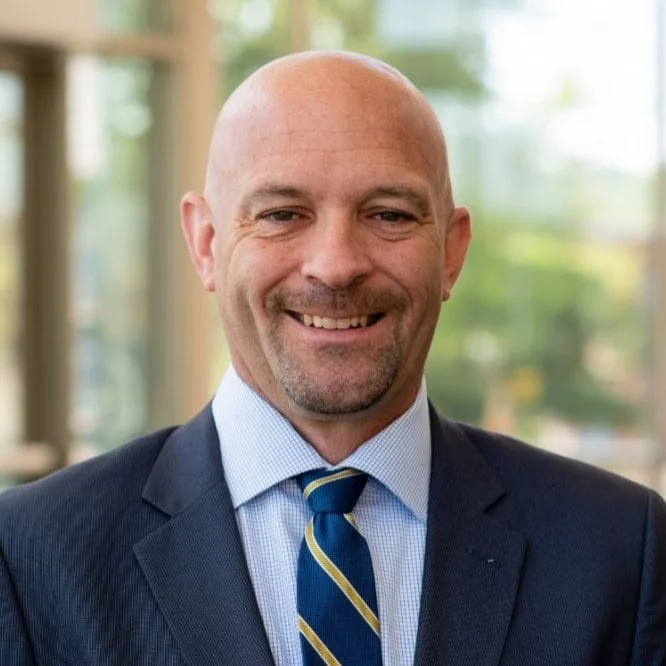
That’s the thesis Steve Degnan brings to conference stages. Not “don’t worry about AI” and not “here’s how to use ChatGPT.” The message is more direct: your best career protection is becoming the kind of leader whose presence in the room changes the quality of the decision. No algorithm is coming for that job.
If you’re looking at Steve’s speaking approach for your next event, that’s the frame he builds the entire session around.
What’s the Real Cost of Getting the Keynote Wrong?
Consider a typical case: a large professional association books an AI keynote for its annual conference. The speaker is technically credible. The session draws the biggest crowd of the event. Attendees leave buzzing, but when the post-conference survey comes back, the top comment is some version of “I learned a lot but I’m not sure what to do with it.”
That’s not a win. That’s a missed opportunity with a price tag.
Your attendees paid registration fees, took time away from their organizations, and showed up carrying a specific anxiety. If they go home without a framework they can actually use, the conference didn’t deliver on its core promise. And they’ll remember that next year when renewal comes around.
The ROI calculus for conference planners is real: a keynote that equips 500 attendees with one actionable career-preservation framework is worth exponentially more than a keynote that impresses them and sends them home uncertain. One produces repeat registration and referrals. The other produces polite applause and a slow erosion of perceived value.
This is where leadership development that actually works in large organizations becomes directly relevant to your event planning. The same principles that drive leadership ROI inside companies apply to what your attendees bring home from your stage.
If you’re building a conference agenda and want to know whether a keynote will actually move the needle for your attendees, reach out to discuss what a session designed around their specific anxieties would look like.
The Promotable and Fireproof Framework: What Conference Attendees Actually Need to Hear
The “Promotable and Fireproof” framework is a career-resilience model built on a single premise: the professionals who survive every technology disruption are the ones whose organizations can’t afford to lose them, and that status is earned through specific, observable behaviors, not credentials.
Steve Degnan has spent 32 years watching organizations make decisions about who stays, who gets promoted, and who gets shown the door. The patterns are consistent. The people who are fireproof aren’t the ones with the most technical skills. They’re the ones whose absence would create a problem no software can solve.
You can explore more of this thinking in Steve’s newsletter.
Who Is This Keynote Approach Right For, and When Does It Miss?
This approach works best when your attendees are mid-to-senior professionals who are already technically competent and already aware of AI’s capabilities. They don’t need more information about the technology. They need a framework for how to position themselves relative to it.
It’s the right fit for HR associations, leadership development conferences, executive summits, and business unit offsites where the audience includes people who are genuinely wrestling with what their career looks like in five years.
It’s less suited for purely technical conferences where the audience wants deep-dive product content. Steve’s background and approach is built for professionals and the organizations that develop them.
One honest limitation: a single keynote doesn’t rewire an organization’s culture or resolve every anxiety in the room. What it does is shift the frame. It gives attendees a language and a set of principles they can take back and apply. The depth of that application depends on what the organization does with it afterward.
If your conference is carrying the weight of your attendees’ real anxiety about the future of work, the worst thing you can do is book a session that makes them feel informed but powerless. The best thing you can do is give them a framework that makes the future feel actionable.
That’s what a well-designed human-centered keynote does. And it’s what your attendees will remember a year from now when they decide whether to come back.
Connect with Steve Degnan to talk through what a session built around your attendees’ specific concerns would look like
FAQ
Can this keynote be customized for a specific industry or audience?
Yes, and it should be. The core framework stays consistent, but the examples, language, and emphasis shift based on whether your audience is in healthcare, financial services, manufacturing, or another sector. A one-size-fits-all keynote on workforce anxiety tends to feel generic, which is exactly the problem it’s supposed to solve.
What makes Steve Degnan’s perspective different from other speakers on this topic?
Steve spent 20 years as CHRO at a $13B company, which means he’s sat on both sides of the decisions that keep people employed or let them go. He’s not speaking from theory. He’s speaking from 32 years of watching what actually makes people irreplaceable, and that specificity comes through in a way that abstract keynotes don’t deliver.
Will attendees leave with something they can actually use, or just inspiration?
The session is built around actionable frameworks, not motivation. Attendees leave with specific, named principles they can apply to their own career decisions and to how they develop their teams. Inspiration fades. A framework you can explain to your boss on Monday has staying power.
Is this relevant for a conference audience that’s mostly senior leaders, not individual contributors?
Especially relevant. Senior leaders are carrying a different version of the same anxiety: they’re worried about their organizations, their teams, and whether they’re making the right bets. A session grounded in human-centered leadership principles speaks directly to that concern and gives them frameworks they can take back and deploy with their teams.
What should we look for in any keynote speaker addressing AI anxiety, regardless of who we book?
Look for someone who leads with a clear thesis about human capability, not just AI capability. The session should give attendees a framework they can name and use, not just a set of interesting observations. And the speaker should have real organizational experience, not just stage presence. Your attendees will know the difference between someone who’s read about organizations and someone who’s run them.
About the Author
Steve Degnan is a keynote speaker and organizational advisor with 32 years of corporate leadership experience, including 20 years as CHRO at a $13B food and pet food company. He works with Fortune 500 companies, executive teams, and high-potential leaders to build promotable, resilient organizations through candid, practical frameworks grounded in real-world experience. Steve is based in St. Louis, Missouri and serves clients across the country through speaking engagements, consulting, and advisory work.